
“Cinema doesn’t just reflect culture—it punches, explodes, and stunts its way through it.”
Cinema evolves with every leap in technology, every political shift, and every social movement. Action cinema, in particular, acts as a pressure valve for global tensions—offering both spectacle and subversion. This global and historical look at cinema’s evolution, through the lens of action and exploitation, reveals how visceral storytelling shapes, and is shaped by, the world.
🎬 I. The Silent Age of Action (1890s–1920s)
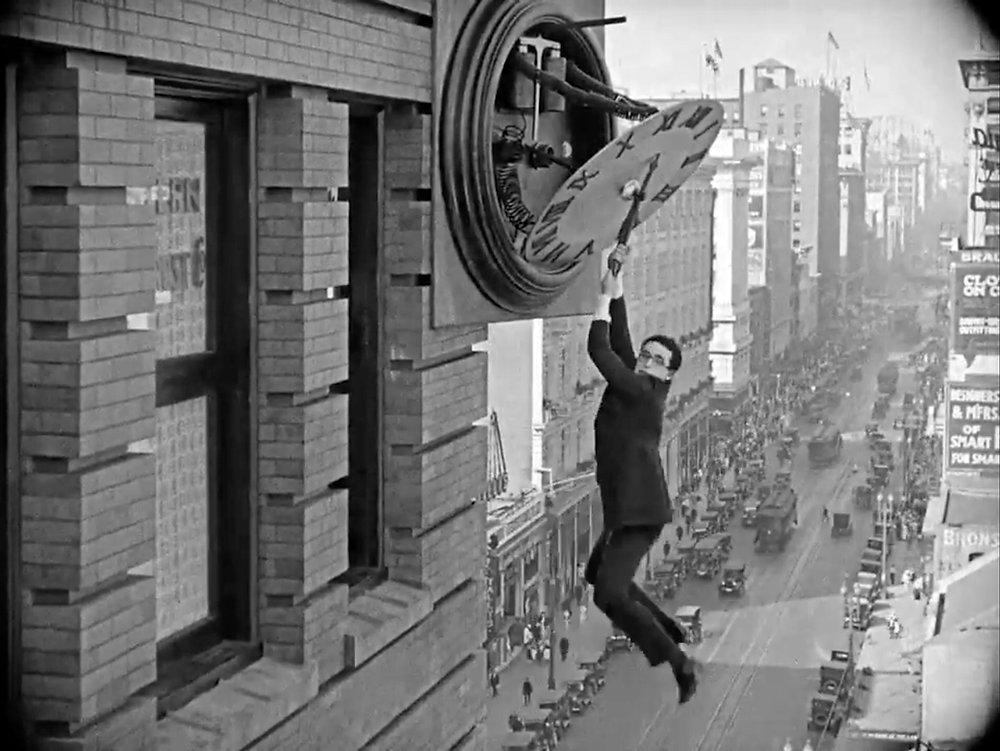
The seeds of action cinema were planted early. Silent films relied on visual dynamism, slapstick, and daring stunts.
- Hollywood: Buster Keaton, Douglas Fairbanks, and Harold Lloyd pioneered physical comedy-action hybrids. The Mark of Zorro (1920) set the standard for swashbuckling heroes.
- Europe: Georges Méliès introduced cinematic illusion, while Germany’s silent films, like Dr. Mabuse, mixed crime and surreal spectacle.
- Asia: Japan’s benshi-narrated jidaigeki (samurai dramas) established early action traditions.
Notable Film: The General (1926) – Buster Keaton’s meticulous and dangerous stunts still influence action choreography today.
Citation: Kehr, Dave. “Silent Film’s Great Innovators.” NY Times, 2011.
💥 II. The Studio System & Early Spectacle (1930s–1945)
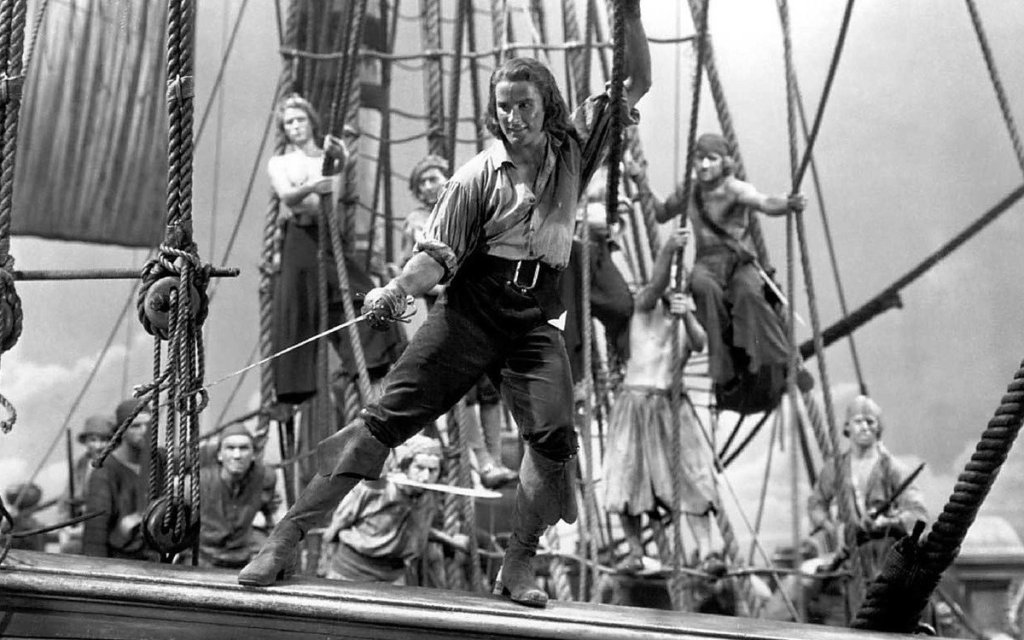
This era was dominated by controlled studio output and wartime propaganda—but also the golden age of swashbucklers and crime thrillers.
- Hollywood: Flynn’s heroic flair, noir’s tough guys (The Maltese Falcon, 1941), and gangster films defined the American action aesthetic.
- Germany: Nazi propaganda films like Triumph of the Will (1935) utilized cinematic spectacle to chilling effect.
- Japan & China: Nationalist epics and kung fu stories emerged, albeit censored or repressed by imperial authorities.
Notable Film: The Adventures of Robin Hood (1938) – Combined adventure with color spectacle.
Citation: Bordwell, David & Thompson, Kristin. Film History: An Introduction (2019).
🎯 III. Postwar Grit and Global Roots (1945–1959)
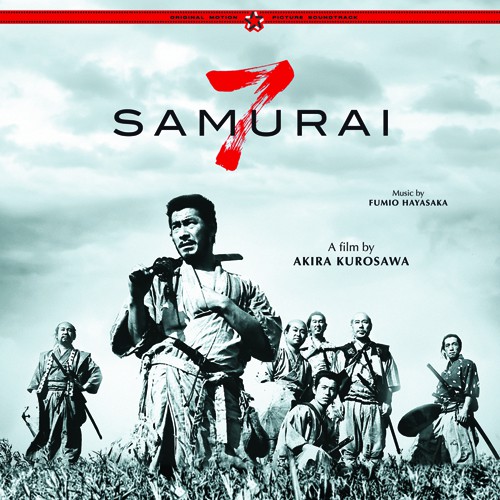
World War II reshaped global cinema. In its aftermath, realism and anti-heroism bloomed—key elements for the action genre.
- Japan: Akira Kurosawa revolutionized cinematic combat with Seven Samurai (1954), influencing everything from westerns to Star Wars.
- Italy: Neorealism birthed stories of resistance and grit; some evolved into spaghetti westerns.
- U.S.: Cold War paranoia inspired noir-tinged spy thrillers and pulp action serials.
Notable Film: Rashomon (1950) – While not an action film per se, it introduced narrative complexity and swordplay aesthetics.
Citation: Prince, Stephen. The Warrior’s Camera: The Cinema of Akira Kurosawa (1999).
🔥 IV. Exploitation & the Counterculture (1960–1979)
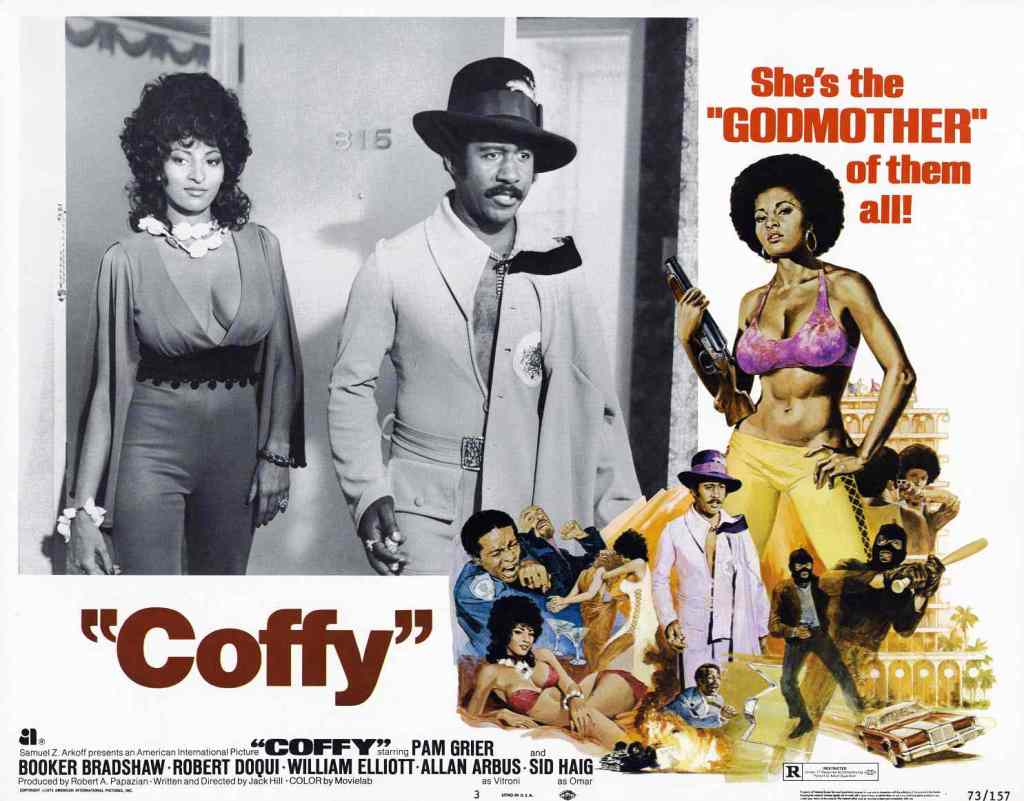
The 60s and 70s exploded with political rebellion, civil rights, and genre-busting cinema. Action and exploitation flourished.
- Blaxploitation: Films like Shaft (1971) and Foxy Brown (1974) blended social critique with violence and style.
- Kung Fu Craze: Bruce Lee’s films broke global barriers. Enter the Dragon (1973) became an international phenomenon.
- Eurocrime & Giallo: Italy birthed stylish, violent action-mysteries. Think The Italian Connection (1972).
- U.S. Grit: Dirty Harry, Charles Bronson, and The French Connection gave us the urban vigilante and rogue cop archetypes.
Notable Film: Enter the Dragon (1973) – Introduced martial arts to Western audiences, influencing everything from The Matrix to John Wick.
Citation: Bowman, Paul. The Invention of Martial Arts: Popular Culture Between Asia and America (2020).
🎞️ V. Blockbuster Domination & Global Imitation (1980–1999)
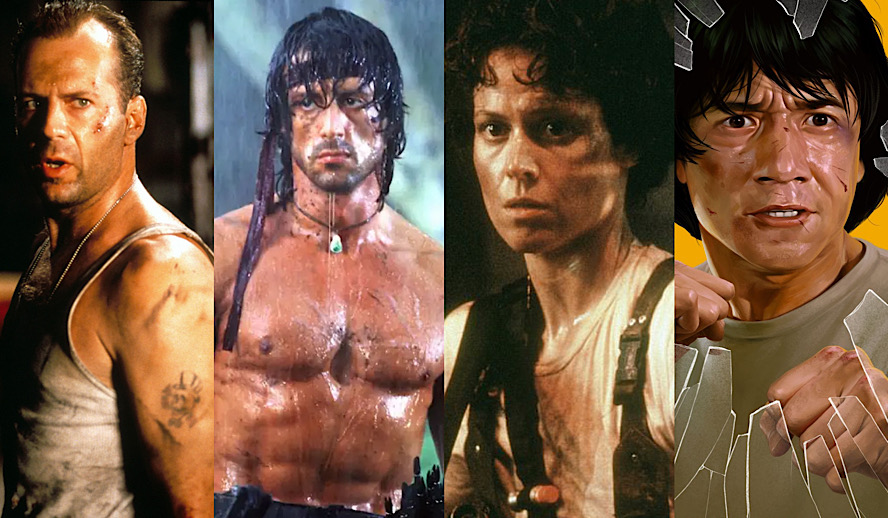
The Reagan era, VHS, and global markets supercharged action cinema into pop-cultural dominance.
- Hollywood Titans: Stallone, Schwarzenegger, Willis. Rambo, Die Hard, Terminator—the American action hero as lone savior.
- Hong Kong Action Renaissance: Jackie Chan, John Woo, and Tsui Hark redefined stunts and gunplay. Police Story (1985) is textbook kinetic action.
- India: Bollywood mixed action with melodrama, from Sholay (1975) to Baazigar (1993).
- Nollywood: Nigeria’s burgeoning film industry began churning out action dramas on ultra-low budgets.
Notable Film: Hard Boiled (1992) – John Woo’s operatic violence and balletic gunfights changed action choreography forever.
Citation: Teo, Stephen. Hong Kong Cinema: The Extra Dimensions (1997).
🌐 VI. Digital Disruption & Global Recognition (2000–2015)
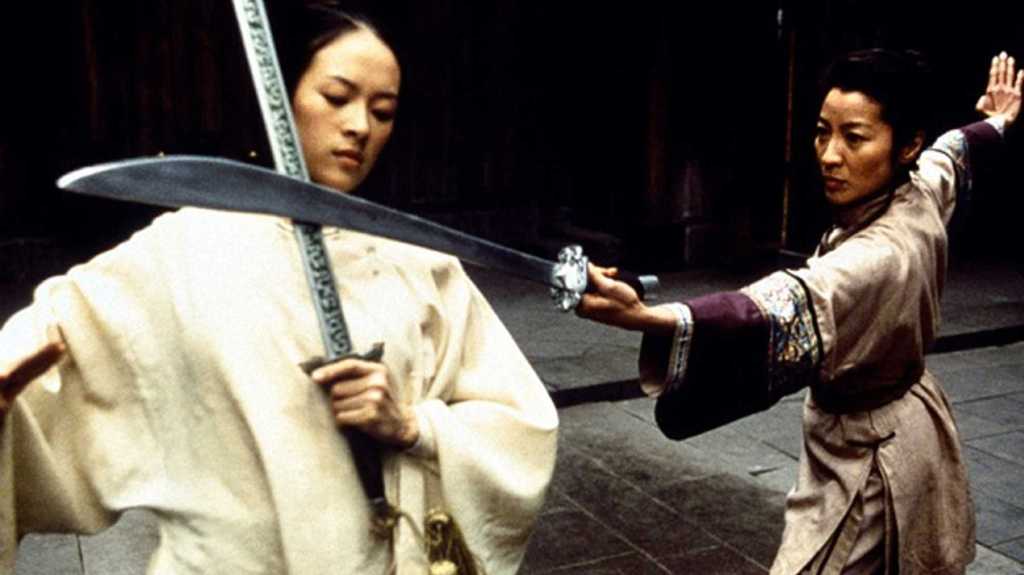
Digital filmmaking and international markets reshaped action cinema’s form and distribution.
- Asia Ascends: Crouching Tiger (China), The Raid (Indonesia), and Korean thrillers (Oldboy) gained global attention.
- Hollywood Evolves: The Bourne Identity introduced shaky-cam realism; The Dark Knight brought psychological complexity.
- Hybridization: Genres blend—sci-fi-action-horror (Edge of Tomorrow), superhero-heist (Ant-Man).
- Women Lead: Charlize Theron in Fury Road, Zhang Ziyi in Hero.
Notable Film: The Raid: Redemption (2011) – Brutal, claustrophobic Indonesian martial arts that reshaped Western stunt choreography.
Citation: Rogers, Holly. Music and Sound in The Raid (2015).
📲 VII. Streaming, TikTok, and the Post-Action Era (2016–Present)
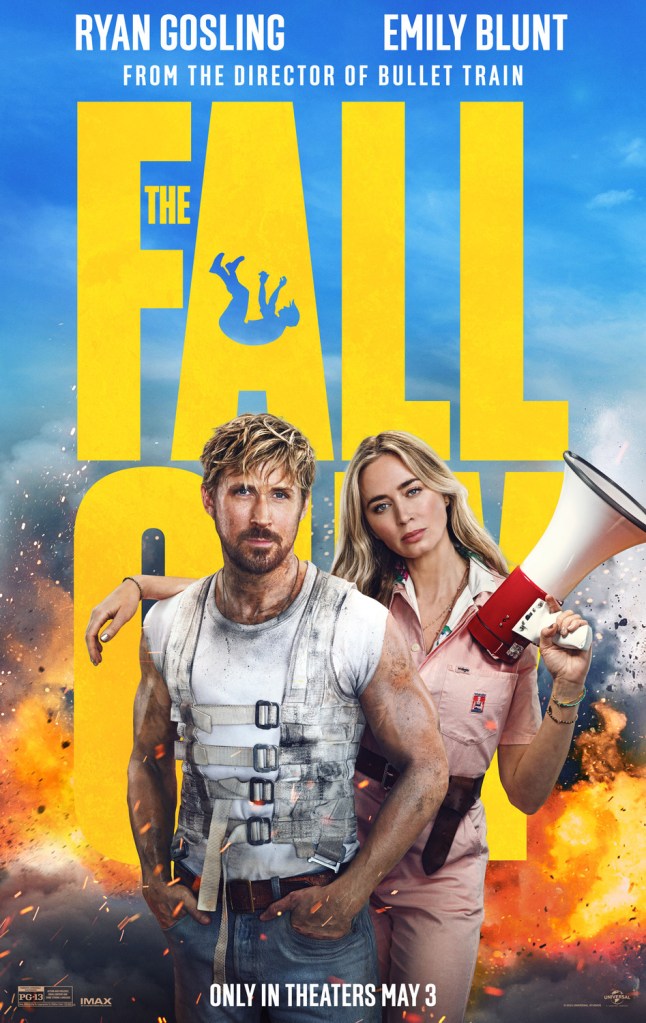
Today, action cinema exists across formats—films, TV, streaming, and short-form content. The definition of “cinema” itself is up for debate.
- Streaming Original Films: Netflix’s Extraction (2020) brings global action tropes to digital audiences.
- Korean Explosion: Train to Busan, Squid Game, and Parasite show action, horror, and satire hybridizing.
- TikTok & DIY Action: Creators like @StuntCameraChris offer micro-stunts and tutorials; digital stunt reels go viral.
- AI & Virtual Sets: Tools like Unreal Engine and AI choreography shift action planning from pre-vis to pre-thought.
Notable Film: John Wick series – A love letter to stunt performers, gun-fu, and honor-based action codes.
Citation: Staiger, Janet. “Neo-Baroque and the John Wick Aesthetic.” Screen, 2020.
🎬 Final Take: Cinema is a Cycle, Action is Its Pulse
Action cinema has always responded to the anxieties of its time—with fists, flames, and philosophy. From Zorro’s sword to Wick’s gun-fu, from grainy kung fu reels to 4K bullet ballets, the genre mutates to survive. Globally.
In the future, action might be rendered in VR or performed entirely by AI, but the thrill—the visceral jolt that started with a silent fall from a clocktower—remains eternal.
 Action Scholar
Leave a comment